


If you’re managing a screen printing operation in Phoenix, you’re likely dealing with the unique challenges of cleaning and reclaiming screens in our desert climate. We understand the frustration of chemicals drying too quickly in 115°F heat or dealing with inconsistent emulsion removal due to extreme temperature swings. You’re in the right place—we’ll guide you through everything you need to know about screen cleaning and reclaim chemicals specifically for Phoenix-based print shops.
Screen cleaning and reclaim chemicals in Phoenix are specialized solutions designed to remove inks, emulsions, and contaminants from screen printing meshes while accounting for the extreme heat and low humidity that characterize our desert environment. These chemicals fall into three main categories: emulsion removers that dissolve hardened stencils, degreasers that prepare screens for new emulsions, and ink removers formulated for different ink types like plastisol or water-based systems.
TL;DR Summary: We’ll explore why proper screen cleaning chemicals are crucial for maintaining print quality and extending equipment life in Phoenix’s harsh climate. You’ll learn how our extreme temperatures and low humidity affect chemical performance and screen reclamation processes. We’ll cover the different types of chemicals available locally—from traditional solvent-based options to eco-friendly alternatives—and help you understand which brands and products Phoenix screen printers trust most. Safety practices, including proper PPE, storage methods, and compliance with local ADEQ regulations, are essential knowledge we’ll provide. Finally, we’ll share maintenance schedules and techniques that prevent common issues like ghosting and staining while protecting our desert environment through proper waste disposal.
Quick Tip: Store your screen cleaning chemicals in a climate-controlled area between 65-75°F to prevent premature evaporation and maintain consistent performance—this single practice can extend your chemical life by up to 30% in Phoenix’s extreme heat.
As we dive deeper into the specifics of screen cleaning and reclaim chemicals, you’ll discover how Phoenix’s unique environmental conditions create both challenges and opportunities for local print shops. The knowledge you gain here will help you optimize your cleaning processes, reduce chemical waste, and maintain consistent quality throughout our intense summer months and mild winters.
Why Are Screen Cleaning and Reclaim Chemicals Important for Screen Printing in Phoenix?
Screen cleaning and reclaim chemicals are essential for maintaining print quality, extending equipment life, and ensuring safe operations in Phoenix’s challenging desert environment. These specialized chemicals remove inks, emulsions, and contaminants from screens while enabling their reuse for multiple production runs. In Phoenix’s extreme climate conditions, proper chemical selection becomes even more critical for consistent results and workplace safety.
How Do Screen Cleaning Chemicals Impact Print Quality and Equipment Longevity?
Screen cleaning chemicals directly impact print quality by removing residual inks, emulsions, and contaminants that can cause ghosting, staining, and uneven ink coverage. Proper chemical maintenance extends screen life by preventing mesh damage and maintaining proper tension, while clean equipment operates more efficiently and produces consistent results.
Health and Safety Considerations:
- Exposure to chemicals in the printing industry can lead to respiratory issues, skin irritation, and neurological effects
- A 2015 study found inadequate hazard communication implementation in printing industries, with many hazardous compounds undisclosed in Safety Data Sheets
- Solvent use can be drastically reduced by reusing chemicals in enclosed screen cleaning and reclamation tanks
Environmental Benefits:
- Water-based adhesives can effectively replace solvent-based adhesives according to EPA’s Design for the Environment program
- Proper chemical selection reduces volatile organic compound (VOC) emissions and hazardous waste generation
Clean screens produce sharper prints with accurate color reproduction, while contaminated screens result in poor ink transfer and costly reprints.
What Specific Challenges Do Phoenix’s Climate and Environment Pose for Screen Cleaning?
Phoenix’s climate poses unique challenges for screen cleaning operations due to extreme temperatures, low humidity, and rapid evaporation rates. High temperatures can accelerate chemical drying and alter their effectiveness, while low humidity affects emulsion performance and screen conditioning.
Temperature-Related Issues:
- High temperatures in Phoenix can accelerate the drying of chemicals, particularly water-based solutions
- Plastisol inks can begin gelling process in high temperatures, making ink thicker and more difficult to print
- Rapid evaporation reduces working time for cleaning operations
Humidity Challenges:
- Low humidity causes ink to dry in printhead, leading to clogged nozzles and inconsistent prints
- Ideal screen room conditions are between 30-40% relative humidity for emulsions
- High humidity can weaken stencils, leading to pinholes, ghosting, and premature stencil breakdown
- Screens can rewet when moved from dry areas to areas with higher humidity, affecting chemical performance
Thrive Screen Printing utilizes high-quality, heat-resistant plastisol inks and climate-controlled facilities to mitigate these climate issues and maintain consistent production quality.
Which Screen Reclaim Chemicals Are Most Effective for Local Print Shops?
Local print shops require chemicals that perform effectively in Phoenix’s climate while maintaining cost efficiency and safety standards. The most effective reclaim chemicals combine strong cleaning power with stability under high-temperature conditions and resistance to rapid evaporation.
Recommended Chemical Types:
- Emulsion removers with extended working time for high-temperature environments
- Concentrated formulations that resist evaporation
- Multi-purpose cleaners that handle both ink and emulsion removal
- Heat-stable degreasers for thorough mesh preparation
Performance Factors:
- Working time before evaporation in desert conditions
- Effectiveness at elevated temperatures
- Compatibility with climate control systems
- Waste reduction through reusability
Effective reclaim chemicals enable Phoenix shops to maintain production schedules despite challenging environmental conditions while ensuring consistent screen quality and extending equipment life.
What Types of Screen Cleaning and Reclaim Chemicals Are Available in Phoenix?
Screen printing operations in Phoenix have access to three primary categories of chemicals: emulsion removers, degreasers, and ink removers, each with distinct solvent-based and eco-friendly formulations.

These chemicals serve different functions in the screen reclaim process and vary significantly in cost, environmental impact, and performance characteristics.
How Do Emulsion Removers Differ from Degreasers and Ink Removers?
Emulsion removers dissolve photopolymer stencils from screen mesh after print completion. Degreasers eliminate oils and contaminants that prevent proper emulsion adhesion on new screens. Ink removers clean plastisol and water-based inks from screens and equipment using specialized formulations.
Each chemical type targets specific materials:
- Emulsion removers: Break down crosslinked photopolymer bonds in dried stencils
- Degreasers: Remove fingerprints, dust, and manufacturing oils from mesh
- Ink removers: Dissolve ink resins with different solvents for plastisol versus water-based inks
Proper sequencing requires degreasing first, then emulsion removal, followed by final degreasing before new stencil application.
What Factors Should You Consider When Choosing Between Solvent-Based and Eco-Friendly Options?
Solvent-based chemicals cost less initially but generate high VOC emissions requiring expensive waste treatment systems. Water-based alternatives demand higher upfront investment in drying equipment but provide long-term cost savings through reduced disposal fees.
| Chemical Type | Initial Cost | VOC Emissions | Health Risk | Long-term Cost |
| Solvent-based | Lower | High | Elevated respiratory/skin exposure | Higher waste treatment |
| Water-based | Higher equipment | Significantly lower | Reduced organic solvent exposure | Lower disposal fees |
| Eco-friendly | Moderate | Minimal | Lowest worker risk | Lowest environmental impact |

The water-based inks market grows faster than solvent-based alternatives, reflecting industry movement toward sustainable practices. However, water-based chemicals show sensitivity to Phoenix’s low humidity and may require additional drying energy.
Which Brands and Products Are Popular Among Phoenix Screen Printers?
Phoenix screen printers commonly use Ecotex, Franmar, Ulano, Kor-Chem, and Sgreen brands for chemical solutions. Ecotex emulsion removers start at $16.94 per gallon through Amazon and Walmart distribution. Franmar specializes in soy-based cleaning solutions with pricing comparable to conventional options.
Available brand options include:
- Ecotex: Emulsion removers and screen washes via major retailers
- Franmar: Eco-friendly soy-based ink and emulsion removers
- Ulano: Comprehensive stencil removal systems
- Kor-Chem: Full-range screen printing chemicals with eco options
- Sgreen: Environmentally-focused formulations through ScreenPrinting.com
Local suppliers provide technical support and same-day availability, while online retailers offer bulk pricing for high-volume operations. This section prepares you to understand safe handling practices and regulatory compliance for these chemical types in Phoenix’s unique climate conditions.
What Are the Best Practices for Using Screen Cleaning and Reclaim Chemicals Safely?
The best practices for using screen cleaning and reclaiming chemicals safely involve proper handling, storage, protective equipment, and regulatory compliance. Phoenix screen printers must adapt standard safety protocols to account for the desert climate’s extreme heat and low humidity conditions.
How Should Screen Printers Handle and Store Chemicals in Phoenix’s Climate?
Screen printers should handle and store chemicals in climate-controlled environments between 68-75°F with controlled humidity levels. Phoenix’s extreme temperatures accelerate chemical evaporation and degradation, requiring modified storage protocols. Store all chemicals in original containers with tight-fitting lids in shaded areas away from direct sunlight. Water-based cleaners need protection from Phoenix’s low humidity, which causes rapid moisture loss and concentration changes.
Create dedicated storage areas with secondary containment systems to prevent spills from reaching drainage systems. Implement first-in, first-out inventory rotation since high temperatures reduce chemical shelf life by 30-50% compared to temperate climates. Monitor storage temperatures using digital thermometers and install exhaust fans to prevent vapor buildup in enclosed storage spaces.
What Personal Protective Equipment and Ventilation Are Recommended?
Personal protective equipment for screen chemical use includes nitrile gloves, safety goggles, and respiratory protection based on Safety Data Sheet requirements. OSHA’s Hazard Communication Standard (29 CFR 1910.1200) mandates employers communicate chemical hazards through container labeling, safety data sheets, and employee training. OSHA eTools for the printing industry provide specific guidance on safe work practices, ergonomics, and PPE for screen printing.
Essential PPE requirements include:
- Chemical-resistant nitrile or neoprene gloves
- Safety glasses with side shields or full-face shields
- NIOSH-approved respirators for solvent-based chemicals
- Chemical-resistant aprons for emulsion removal
- Non-slip footwear in chemical work areas
Install local exhaust ventilation at chemical mixing and cleaning stations with minimum air exchange rates of 10-12 air changes per hour. Phoenix’s heat necessitates balanced ventilation systems that remove chemical vapors without compromising climate control efficiency.
What Legal and Environmental Regulations Affect Screen Chemical Use in Phoenix?
Legal regulations affecting screen chemical use include federal OSHA standards, state ADEQ requirements, and local Phoenix municipal codes. City of Phoenix Municipal Code governs handling and disposal of hazardous waste. Arizona Department of Environmental Quality (ADEQ) regulates volatile organic compounds (VOCs) in inks and solvents, with specific limits for Maricopa County’s ozone non-attainment status.
Screen printing operations must comply with regulations regarding chemical disposal and VOC management. ADEQ provides resources and guidelines for the printing industry including pollution prevention strategies and waste reduction techniques. U.S. Environmental Protection Agency provides guidance on best practices for pollution prevention in the screen printing industry.
Key compliance requirements include:
- VOC emission limits of 150 grams per liter for cleaning solvents
- Hazardous waste generator permits for facilities using over 220 pounds monthly
- Air quality permits for operations exceeding emission thresholds
- Worker safety training documentation and chemical inventory records
Phoenix screen printers must maintain detailed records of chemical purchases, usage, and disposal to demonstrate regulatory compliance during inspections.
This foundation of safe chemical practices enables Phoenix screen printers to maintain consistent production quality while protecting worker health and environmental resources, leading to effective workspace management strategies throughout the year.
How Can You Maintain Clean Screens and a Safe Workspace Year-Round in Phoenix?
Maintaining clean screens and a safe workspace year-round in Phoenix requires implementing consistent cleaning schedules, proper chemical handling procedures, and environmental waste management practices. Phoenix’s extreme heat and low humidity create unique challenges that demand specialized approaches to screen maintenance and workplace safety protocols.
The following sections detail essential maintenance schedules, common pitfalls to avoid, and environmental protection strategies that ensure both operational efficiency and regulatory compliance.
What Cleaning Schedules and Techniques Help Prevent Ghosting and Staining?
Effective cleaning schedules prevent ghosting and staining by establishing daily, weekly, and monthly maintenance routines tailored to Phoenix’s climate conditions. Daily cleaning includes immediate post-print screen washing with appropriate solvents, squeegee blade inspection, and workspace decontamination to prevent chemical residue buildup.
Weekly deep-cleaning protocols involve complete emulsion removal, degreasing cycles, and mesh inspection for damage or contamination. Monthly comprehensive maintenance includes equipment calibration, ventilation system checks, and chemical inventory rotation to prevent degradation in high temperatures.

Phoenix’s low humidity requires modified techniques such as faster chemical application to prevent premature drying and increased frequency of screen conditioning. Ideal screen room conditions between 30-40% relative humidity for emulsions must be maintained through climate control systems to prevent stencil weakness and premature breakdown.
What Are Common Mistakes to Avoid When Cleaning or Reclaiming Screens?
Common mistakes include using incorrect chemical concentrations, inadequate drying time, and improper storage in Phoenix’s extreme heat conditions. Over-diluting emulsion reduces effectiveness, while under-diluting creates excessive chemical waste and potential safety hazards.
Rushing the reclaim process leads to incomplete emulsion removal, causing ghosting in subsequent print runs. Skipping degreasing steps before applying new emulsion compromises adhesion and creates pinholes in stencils.
Storage errors include exposing chemicals to direct sunlight and extreme temperatures, which degrades chemical effectiveness and creates safety risks. Mixing incompatible chemicals or using contaminated cleaning tools transfers residues between screens and compromises print quality.
How Can Waste Reduction and Proper Disposal Protect the Phoenix Environment?
Waste reduction protects the Phoenix environment through chemical reuse systems, proper disposal protocols, and pollution prevention strategies that comply with local environmental regulations. Disposal of ink, emulsion, and cleaning solvents can introduce pollutants into wastewater and soil if not managed properly.
Implementing enclosed screen cleaning and reclamation tanks drastically reduces solvent use through chemical reuse systems. Water-based adhesives effectively replace solvent-based alternatives according to EPA’s Design for the Environment program, reducing hazardous waste generation.
The City of Phoenix Municipal Code governs hazardous waste handling and disposal procedures that screen printers must follow. The Arizona Department of Environmental Quality (ADEQ) regulates volatile organic compounds (VOCs) in inks and solvents, requiring proper documentation and disposal through certified waste management facilities.
Best practices include separating different chemical types, neutralizing acidic wastes before disposal, and maintaining detailed waste tracking records. Local hazardous waste collection events provide safe disposal options for small-volume generators, while larger operations require contracted waste management services.
This comprehensive maintenance approach ensures optimal screen performance while protecting Phoenix’s desert environment and maintaining regulatory compliance throughout the year.
How Should You Approach Screen Cleaning & Reclaim Chemicals With Thrive Screen Printing in Phoenix?
Screen cleaning and reclaim chemical management requires a strategic partnership with experienced local providers who understand Phoenix’s unique environmental demands. Thrive Screen Printing offers comprehensive chemical solutions while maintaining safety standards that protect both your operations and Arizona’s desert ecosystem.
Can Thrive Screen Printing Provide Solutions for Local Screen Cleaning and Reclaim Chemical Needs?
Thrive Screen Printing provides comprehensive screen cleaning and reclaim chemical solutions through strategic partnerships with Phoenix-area suppliers. Local suppliers like ScreenPrinting.com maintain a physical Phoenix location offering equipment, inks, and specialized chemicals with immediate access and technical support. This local presence eliminates shipping delays and provides face-to-face consultation for chemical selection.
The screen printing industry demonstrates robust market demand, with the global screen printing segment valued at over $63 billion in 2024 and expected continued growth. In 2024, the US custom screen printing industry projected $9.8 billion in revenue, while the industrial screen printing market reached approximately $0.8 billion in 2023. This market strength ensures reliable chemical supply chains and competitive pricing for Phoenix businesses.
Thrive Screen Printing’s approach prioritizes chemical efficiency and safety compliance. Our climate-controlled facility maintains optimal conditions for chemical storage and application, preventing degradation common in Phoenix’s extreme heat. We provide guidance on chemical selection based on your specific substrates, ink types, and production volume.
What Are the Key Takeaways About Screen Cleaning & Reclaim Chemicals in Phoenix We Covered?
The key takeaways about screen cleaning and reclaim chemicals in Phoenix center on climate adaptation, safety compliance, and environmental responsibility. Phoenix’s high temperatures and low humidity create unique challenges that require specialized chemical handling and storage protocols. Water-based chemicals offer environmental advantages but demand careful humidity control, while solvent-based options provide reliability with proper ventilation systems.
Safety compliance follows OSHA’s Hazard Communication Standard requiring proper labeling, safety data sheets, and employee training. Arizona Department of Environmental Quality regulations govern VOC emissions and chemical disposal, making eco-friendly options increasingly valuable for long-term operations. Proper chemical selection balances performance, safety, and regulatory compliance while supporting sustainable business practices in Arizona’s desert environment.
Partnering with Thrive Screen Printing connects your operation to proven chemical management strategies and local supplier networks. This relationship ensures consistent chemical performance, regulatory compliance, and environmental protection throughout Phoenix’s challenging climate conditions.
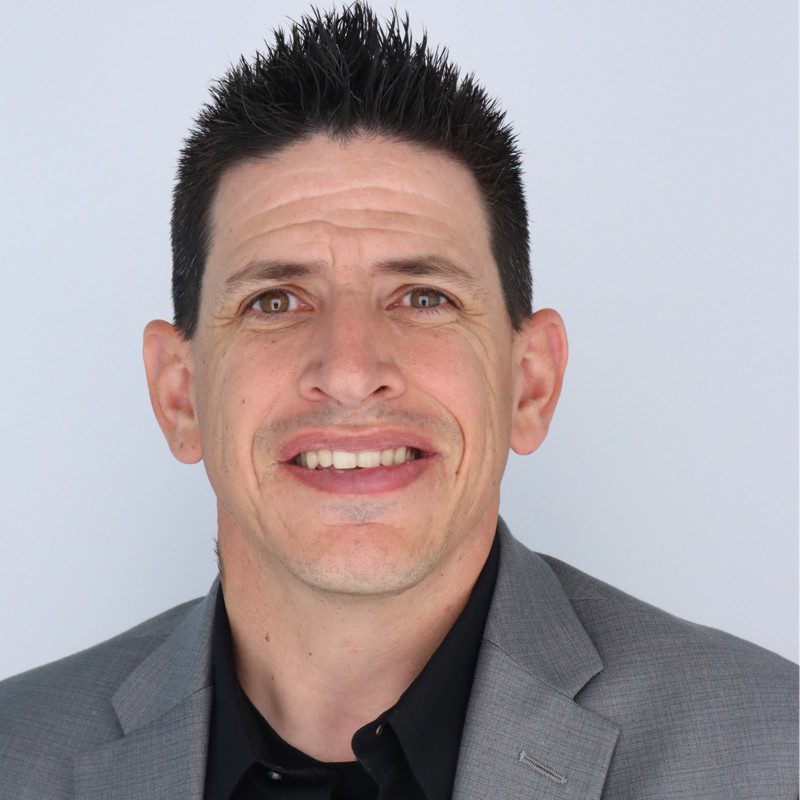
Robert Fisher is the founder and CEO of Thrive Screen Printing and brings extensive experience in the screen printing and fulfillment industry.